Zaufania nie zawsze można złamać krzykiem. Czasami wystarczy pożyczony klucz, wielokrotna prywatna rozmowa i dług, którego nikt nie uznaje, dopóki nie pojawi się krew na asfalcie.
W noc wypadku Gustavo dzwonił do Marcosa dwa razy, zanim zrobiła to policja. Podczas pierwszego połączenia zapytał tylko, czy Ana Clara już przyjechała. Podczas drugiego brzmiał na zdenerwowanego, ale nie zaskoczonego.
Marcos wtedy o tym nie myślał. Żal sprowadza świat do jednego zdania: jej nie ma. Wszystko inne jest pominięte, czekając na swoją kolej.
Ciało Any Clary zostało potraktowane zgodnie ze standardowymi procedurami. Były dokumenty, podpisy, zgoda na kremację i wyznaczony termin na następny dzień. Każdy krok zdawał się być zaplanowany, aby posunąć się naprzód, mimo że jej mąż nie mógł oddychać.
At the Vila Alpina Crematorium, in the eastern part of São Paulo, the air had an eerie weight. The flowers smelled overly sweet. The white lights made everything seem official, as if the tragedy required administrative illumination.
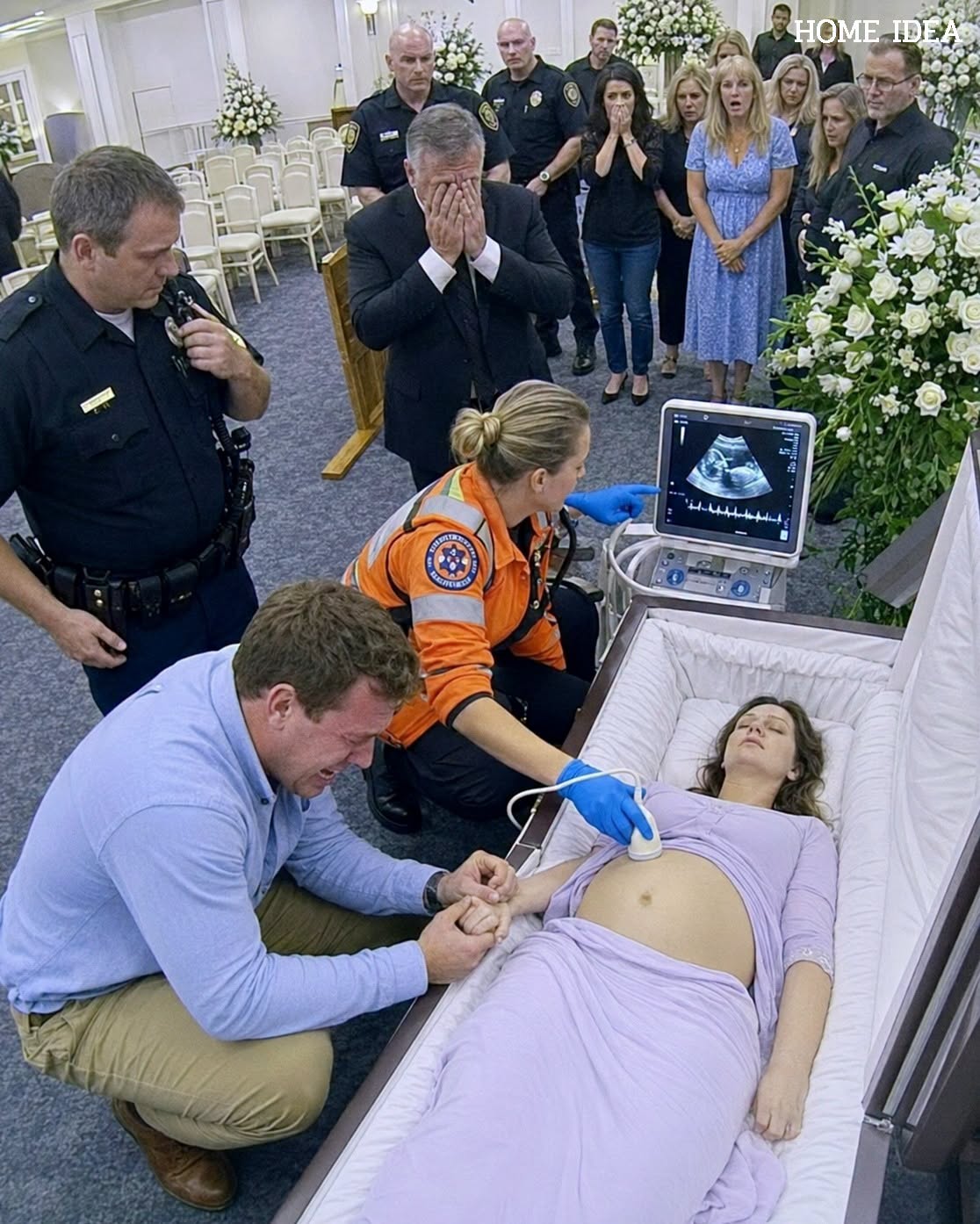
Marcos stood beside the coffin, his hands digging into the dark wood. Ana Clara lay inside, pale and motionless, prepared by hands that had never loved her. Her seven-month pregnant belly still rose beneath the cloth.
Ana Clara’s mother wept, clutching a rosary in her fingers. Gustavo stood against the wall, arms crossed, eyes red. He looked like a sad man, as long as no one stared at him for too long.
An employee approached with the authorization folder. The time was written in the upper corner. Marcos saw the pen, saw the line where they awaited his confirmation, and felt an animalistic resistance in his chest.
“I need to see her one more time,” he said.
The employee hesitated. He explained the procedure with a gentleness that was perhaps meant to be human. Marcos didn’t hear the end. He repeated the same phrase. One last time. Please.